Your electricity bill has a funny habit of showing up at the worst possible time. And in Québec, even though electricity is generally affordable and clean, our reality (long heating season, electric baseboards in many homes, larger living spaces) means a Hydro-Québec bill can climb quickly.
The good news? You can absolutely reduce your Hydro-Québec electricity bill without living in the dark or wearing a winter coat indoors. The secret isn’t one magic trick—it’s a smart combination of the right priorities, a few high-impact adjustments, and habits that stick.
This article follows a practical, real-life approach: we start with what usually delivers the biggest savings first (the “heavy hitters”), then we narrow down into smaller optimizations. By the end, you’ll have a clear plan to save electricity in Québec and feel more in control of your monthly costs.
Quick Index 🔍
- Top priorities that lower your bill fast
- How to reduce your Hydro-Québec bill?
- How to understand your electricity bill (without the headache)
- How can I reduce the cost of my electricity bill?
- Heating: the real boss of your bill
- Hot water: the quiet budget killer
- Insulation & air sealing: where money escapes
- Appliances & hidden consumption
- Kitchen, laundry, drying: easy wins
- How to save on Hydro in Québec?
- Smart thermostats & simple tech that helps
- Grants & financial incentives
- How to save Hydro in Québec without obsessing?
- A simple 7-day plan you can actually follow
- FAQ
Top priorities that lower your bill fast ⚡
If you want real results, you need to attack the right areas first. In most Québec homes, electricity use is dominated by three major buckets:
- Heating (often the #1 driver, especially in winter)
- Hot water (showers, laundry, dishwasher)
- Heat loss (insulation gaps, air leaks, drafty areas)
You can be “careful” with lights and still pay a lot if your home leaks heat and your heating runs nonstop. Go for leverage first: heating + hot water + air leaks.
That’s why the most effective strategy is to start with: heating control, hot-water habits, and air sealing. Once those are in place, everything else becomes the cherry on top.
How to reduce your Hydro-Québec bill? ✅
The honest answer: reduce what heats your home, reduce what heats your water, and stop paying for heat that leaks out. Then refine your daily habits and your equipment.
Hydro-Québec provides a solid breakdown of how to lower your bill and what to watch for in your account. Here’s the official page (linked once, as requested) 👉
Hydro-Québec: How to reduce the amount of your bill
From there, it’s about one simple principle: don’t pay to heat the outdoors. Because heating a leaky home is basically like filling a bathtub without the plug 🛁.
How to understand your electricity bill (without the headache) 📊
Before you buy anything or start changing everything, do a quick “diagnostic.” You don’t need to be an expert—you just need clarity:
- Does my usage spike in certain periods? (heating season, vacations, cold snaps)
- Did the bill jump without an obvious reason? (a new appliance, more time at home, a water heater issue)
- What type of heating do I have? (baseboards, heat pump, central system)
Many “mystery increases” come from normal life: more work-from-home, a basement kept warmer, a longer shower routine, a water heater working harder, or air leaks you don’t feel—but your bill definitely does.
Lower your thermostat by 1°C for a week. If comfort barely changes, you’ve found a sustainable saving that won’t feel like “sacrifice.”
How can I reduce the cost of my electricity bill? 💸
There are two real ways to lower your electricity bill:
- Use less electricity (without losing comfort)
- Stop paying for waste (heat loss, air leaks, inefficient equipment)
In practice, that means making the right “set-and-forget” decisions:
- Program temperature changes (instead of reacting randomly)
- Reduce hot-water waste (showers + water temperature + laundry habits)
- Seal air leaks (doors, windows, attic access, rim joists)
- Cut phantom loads (devices that draw power even when “off”)
A classic trap is doing only “small eco gestures” while ignoring heating and air leaks. Those small steps help—but they rarely move the needle as much as the big three priorities in Québec.


Heating: the real boss of your bill ❄️
For most Québec households, heating is the largest driver of the Hydro-Québec bill. The winning strategy is not to freeze—it’s to heat smarter:
- Stability: avoid constant up/down temperature swings
- Zoning: heat the rooms you use, not the ones you rarely enter
- Scheduling: lower temps while sleeping or away
| Simple move | Why it works |
|---|---|
| Lower temperature by 1°C | Reduces heating demand across the entire day |
| Night / away scheduling | Stops full heating when nobody benefits |
Here’s a practical truth: many people “overheat by default.” If you bump the thermostat the second you feel cold, check this instead: drafts near doors/windows, cold floors, low humidity, or air leaks. Often it’s not that the home “needs more heat”—it’s that the heat is escaping.
If you lower the temperature slightly, compensate with comfort fixes: heavier curtains at night, better door sweeps, and reasonable humidity (not tropical—just healthy).
Baseboards: small habits that matter
If you heat with baseboards, avoid blocking them with furniture or long curtains—airflow matters. Also, don’t crank one room to “catch up” while another room stays cold. A more balanced approach typically gives better comfort and lower consumption.
Heat pumps: use them smart
If you have a heat pump, keep setpoints stable. Frequent large adjustments can reduce efficiency. Use the heat pump as your primary system when possible, and keep filters clean so the unit doesn’t work harder than it needs to.
Hot water: the quiet budget killer 🚿
Heating gets the spotlight—but hot water can quietly drain your budget. Long showers, water that’s hotter than needed, warm laundry cycles, and repeated small dishwasher loads can add up fast on the electricity bill.
Easy, real-life actions:
- Shorten showers slightly (even 2 minutes less per shower adds up massively over a year)
- Install an efficient showerhead
- Use cold water for most laundry loads
- Run the dishwasher only when full (and use eco mode when available)
If your water heater is older, it may consume more just to maintain temperature. You don’t need to panic, but if the bill keeps creeping up with no lifestyle change, it’s a realistic suspect.
Hot water costs twice: you pay to heat the water, and you often pay again through humidity/ventilation losses if bathrooms aren’t ventilated properly.
Insulation & air sealing: where money escapes 🏠
You can do everything “right” day-to-day, but if your home leaks air, you’re still paying for waste. Insulation and air sealing are often the biggest long-term drivers of a lower Hydro-Québec electricity bill, especially in older homes.
Common heat-loss zones:
- Attic / loft space (often the #1 area)
- Rim joists in the basement
- Door and window frames
- Attic hatches, pipe penetrations, exterior outlets
If you’re considering improvements, Québec offers support for insulation through the provincial program (linked once, as requested) 👉
Provincial insulation grant (Rénoclimat)
Fixing an air leak reduces your bill AND improves comfort. Drafts make people crank heating. Seal the leak, and you often need less heat to feel warm.
Quick DIY air-leak checks
On a windy day, you can often feel drafts around doors, windows, and basement rim areas. Weatherstripping and door sweeps are inexpensive and can reduce “cold spots” dramatically. For bigger issues, a proper energy assessment helps you prioritize the highest-impact upgrades.
Appliances & hidden consumption ⚙️
Some electricity use is obvious (cooking, laundry). Some is sneaky: devices that draw power even when “off.” TVs, consoles, sound systems, printers, chargers, cable boxes… phantom loads can nibble at your bill nonstop.
Three solid habits:
- Use power bars with switches to cut power to a group of devices
- Unplug unused chargers (yes, it really adds up)
- Watch out for old “secondary” appliances—especially extra fridges/freezers
That old basement fridge “just in case” can cost more than people expect because it runs all year. If you want one big, satisfying saving, removing or replacing a very inefficient appliance can beat a hundred tiny gestures.
If your home has one major energy waster, finding it is often more profitable than trying to be perfect everywhere.
Kitchen, laundry, drying: easy wins 🍳🧺
Kitchen and laundry are perfect areas to save electricity without discomfort:
- Oven: avoid long preheats “out of habit” (often unnecessary)
- Microwave / air fryer: for small portions, they typically use less than a full-size oven
- Dishwasher: eco mode + full loads = strong combo
- Washer: cold water for most loads
- Dryer: clean the lint filter every cycle to shorten drying time
If your dryer takes forever, the issue might not be the dryer—it might be the vent. A partially clogged vent increases drying time and electricity use (and it’s also a safety concern).
How to save on Hydro in Québec? 🇨🇦⚡
If we summarize it “Québec-style,” the most valuable levers to save on Hydro are:
- Heating: lower a bit + schedule + zone your rooms
- Air sealing: weatherstripping, door sweeps, draft fixes
- Hot water: shorter showers, reasonable water temperature, cold laundry
- Appliances: cut phantom loads and deal with one major energy hog
Don’t chase perfection. Chase consistency. If you save 5% here, 5% there, 5% elsewhere—suddenly the yearly savings are real, and you don’t feel like you’re constantly “trying to be eco.”

Smart thermostats & simple tech that helps 🤖
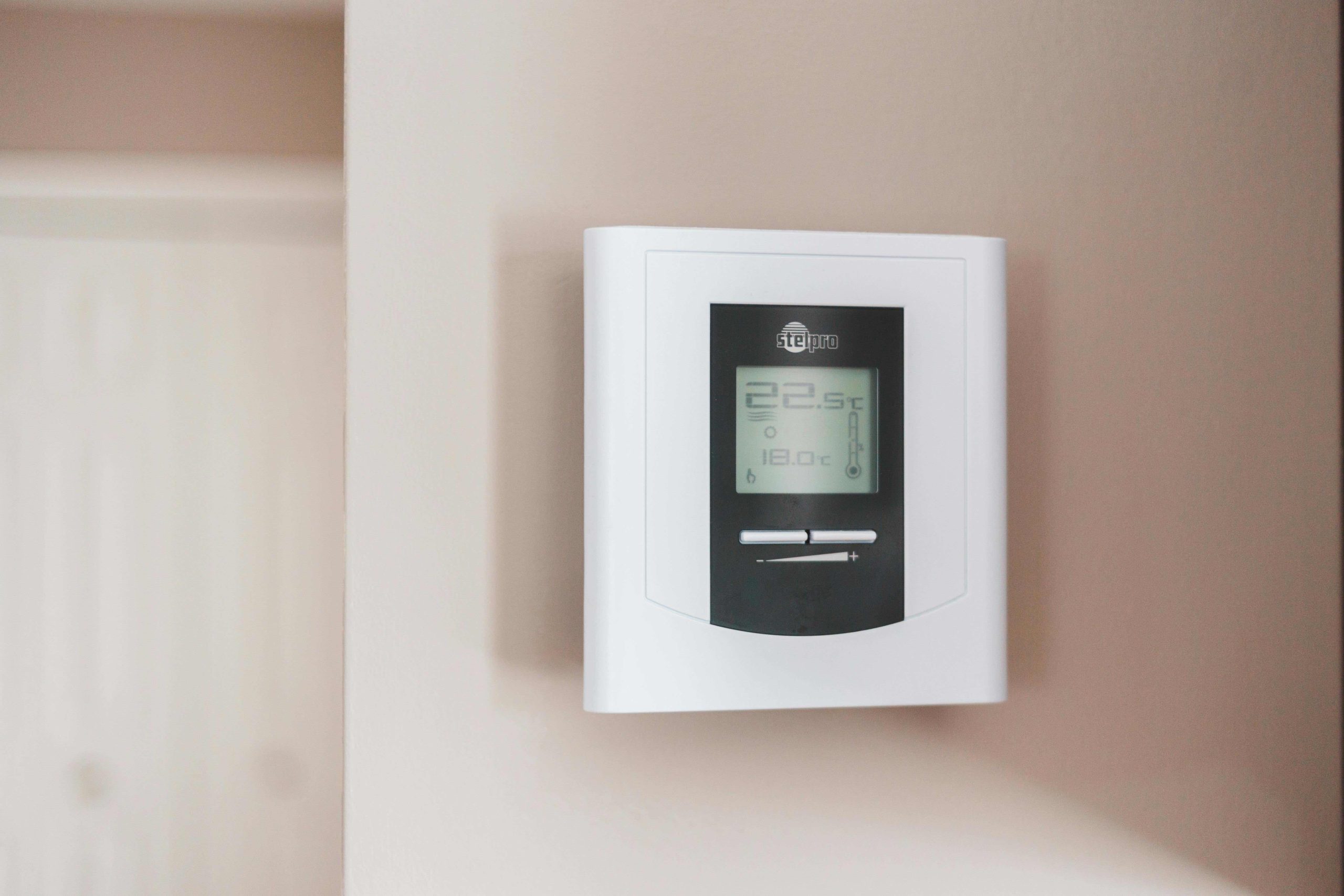
Smart thermostats aren’t mandatory, but they can be a game-changer if:
- you often forget to lower temperatures
- your schedule changes a lot
- you want better room-by-room control
The real benefit is that they remove the “human factor.” Less forgetting, less unnecessary heating, more control with less effort. And honestly, that’s where most people lose money—not because they don’t care, but because life is busy and nobody wants to micromanage thermostats every day.
Smart thermostats don’t save money by magic. They save money because they consistently do what you would do if you remembered every time.
Grants & financial incentives 💰
If you’re planning upgrades (insulation, efficiency improvements, certain eligible renovations), it’s worth checking available programs. At the federal level, you can review eligible renovations and grant amounts here (linked once, as requested) 👉
Canada: Greener Homes (eligible renovations and grant amounts)
The goal isn’t to renovate “just to renovate.” Choose work that:
- improves comfort (fewer drafts, more stable indoor temperature)
- reduces real electricity use
- adds to your home’s perceived value
A home that’s comfortable and cheaper to heat is simply more attractive—and it’s a practical selling point, not just “we did renovations.”
How to save Hydro in Québec without obsessing? 😄
If you want savings without making your life complicated, follow this simple rule:
- 1) Set your temperature (and schedule it)
- 2) Stop air leaks (doors, windows, rim joists)
- 3) Reduce hot water waste (showers + cold laundry)
- 4) Remove one major energy waster (old appliance, constant standby loads)
Once those foundations are in place, you don’t have to “think about saving electricity” all day. Your home does the work for you. That’s the best kind of saving: simple, automatic, and sustainable.
A simple 7-day plan you can actually follow ✅
If you like practical plans, here’s a simple 7-day approach. You don’t need to do everything—just start and build momentum:
- Day 1: Lower temperature by 1°C and notice comfort
- Day 2: Add night/away scheduling
- Day 3: Cut phantom loads (power bars)
- Day 4: Check drafts (door sweeps, weatherstripping)
- Day 5: Adjust hot-water habits (shorter showers + cold laundry)
- Day 6: Clean dryer filter + check venting if needed
- Day 7: Identify your “big waste” (often an old appliance)
If you do only 3 out of 7 steps, you’re still ahead. The goal is progress you can maintain, not a perfect week.
FAQ ❓
How can I reduce my Hydro-Québec bill quickly?
Start with heating (lower and schedule), reduce hot water waste, and seal drafts. Those three often deliver the biggest impact on the electricity bill in Québec.
How can I reduce the cost of my electricity bill without renovations?
Schedule your thermostats, cut standby loads, wash mostly in cold water, shorten showers slightly, and improve air sealing (door sweeps / weatherstripping). These are simple, high-value actions.
How do I save on Hydro in Québec if I have an older home?
Prioritize air sealing and insulation (attic and rim joists). Older homes can become noticeably more comfortable and cheaper to heat once you stop heat loss and drafts.
Are efficiency renovations worth it?
They can be, especially if they target the biggest losses (insulation/air sealing) or replace a very inefficient system. Grants can also improve the return on investment.
👉 For more articles (sometimes with a little humour when it fits 😄), visit: My blog
👉 If you want to see how monthly savings can affect your overall budget, use my mortgage calculator: mortgage calculator.
👉 Want to reach me directly? Here’s my contact page: contact me.