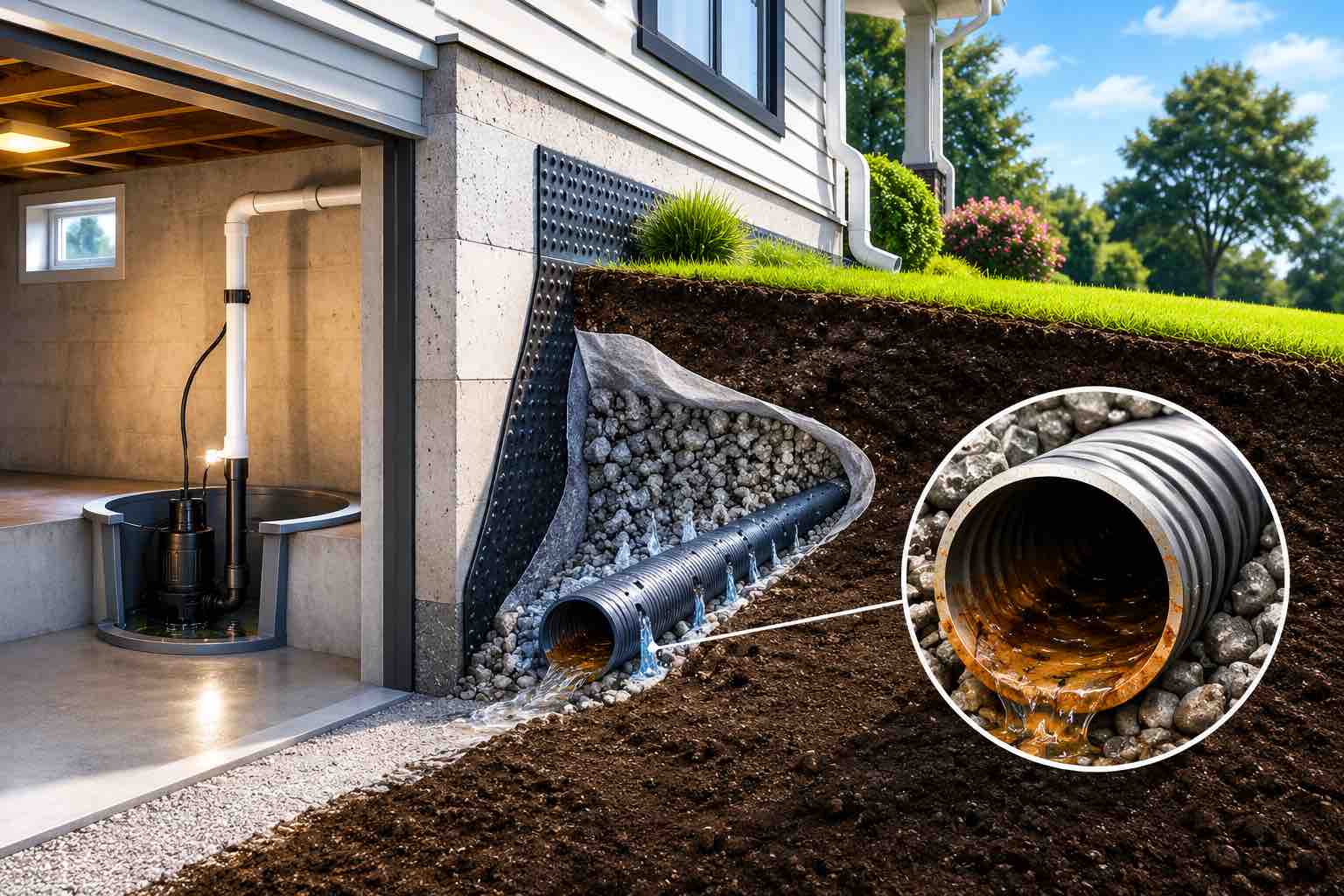
Iron ochre, also known as iron bacteria sludge, is a concern for many homebuyers. As soon as people hear about orange sludge, clogged French drains, sump pumps or basement water infiltration, they often assume the worst. Fortunately, the reality is much more nuanced. A home with iron ochre is not automatically a bad investment. However, it is an important issue that should be understood, inspected and properly disclosed when buying or selling a property.
What Is Iron Ochre?
Iron ochre is an orange, reddish or brownish sludge that can develop inside French drains, sump pits, drainage systems, foundation drains and around basement foundations. It often appears as a sticky, gelatinous or slimy substance. This material forms when naturally occurring iron in the soil reacts with oxygen, groundwater and iron bacteria.
The biggest concern isn’t simply the orange colour. The real issue is that iron ochre can gradually clog a French drain. Once the drainage system becomes restricted, water can accumulate around the home’s foundation, increasing the risk of basement water infiltration and costly repairs.
Key Takeaway ✅
Iron ochre itself is not the main problem. The biggest concern is that it can clog your drainage system over time if regular maintenance is neglected.
The Quebec Building Authority (RBQ) explains that iron ochre is a naturally occurring phenomenon that cannot always be completely prevented. Because of this, prevention, routine maintenance and early detection remain the best long-term strategies.
Is Iron Ochre Dangerous to Your Health?
One of the most common questions homeowners ask is whether iron ochre is dangerous to your health. Generally speaking, iron ochre itself is not considered a direct health hazard like asbestos or toxic mould. However, it can create conditions that eventually become problematic inside a home.
For example, if a clogged French drain allows water to enter the basement, excessive moisture may lead to mould growth, unpleasant odours and damage to drywall, flooring and other building materials. In other words, the biggest concern is often not the iron ochre itself, but the consequences of poor drainage.
During a real estate transaction, buyers should never ignore the presence of iron ochre. They should ask whether the French drain has been cleaned, whether a camera inspection has been completed, whether the sump pump is functioning properly and whether any engineering or inspection reports are available.
Potential Indirect Risks
- Excess moisture in the basement
- Persistent damp or musty odours
- Water backup
- Damage to building materials
- Clogged French drains
- Foundation water infiltration
- Mould growth if moisture is left untreated

How Can You Tell if You Have Iron Ochre?
Several warning signs may indicate the presence of iron ochre in a property. One of the most common is an orange, reddish or rust-coloured deposit inside the sump pit, around the sump pump or floating in standing water.
You may also notice a sticky sludge inside the pit, a sump pump that cycles unusually often, slower drainage around the foundation or water stains appearing near the bottom of basement walls.
The most reliable way to confirm the presence of iron ochre is to hire a qualified specialist. A camera inspection of the French drain can determine whether the drainage pipe has begun to clog. Laboratory testing may also identify iron bacteria activity and evaluate the risk of future blockage.
Home Buyer’s Tip 🔎
If you’re considering purchasing a home where iron ochre may be present, ask for maintenance records, drain cleaning invoices, camera inspection reports, sump pump service history and documentation regarding any previous basement water infiltration.
Common Signs of Iron Ochre
- Orange or rust-coloured sludge inside the sump pit
- Sticky or gelatinous deposits
- French drains requiring frequent cleaning
- A sump pump that runs more often than expected
- Persistent damp smells
- Basement water infiltration
- Water stains near basement walls or concrete floors
What Causes Iron Ochre?
Iron ochre develops when several natural conditions come together: iron-rich soil, groundwater, oxygen and iron bacteria. These elements are naturally present in many regions throughout Quebec, which explains why some neighbourhoods experience this issue more frequently than others.
Because the phenomenon originates in the soil itself, it is difficult—sometimes impossible—to eliminate permanently. While drainage improvements, routine cleaning and preventive maintenance can significantly reduce the risk of clogged drains, homeowners should remain cautious of anyone promising a permanent cure.
Depending on the severity of the situation, drainage specialists may recommend various maintenance or repair options. The goal is usually to keep the drainage system functioning efficiently rather than attempting to completely eliminate the naturally occurring bacteria.
Why Is the French Drain So Important?
The French drain collects groundwater surrounding the home’s foundation and redirects it safely away from the building. If iron ochre begins blocking the drainage pipe, water can accumulate around the foundation walls. Over time, hydrostatic pressure may increase, eventually leading to basement leaks and water infiltration.
How Does Iron Ochre Affect a Home’s Value?
The presence of iron ochre can influence a property’s market value, but not always in the same way. Every situation is different. The overall impact depends on the severity of the problem, the maintenance history, available documentation, the condition of the basement and, most importantly, the confidence buyers have in the property.
A home with documented iron ochre, regular French drain maintenance, a properly functioning sump pump and no history of water infiltration will generally sell much more easily than a property where iron ochre is discovered during the inspection and no maintenance records exist.
In real estate, uncertainty often scares buyers more than the problem itself. The more documentation you can provide, the more confidence buyers will have in your property.
| Situation | Potential Impact on the Sale |
|---|---|
| Iron ochre disclosed, drains maintained, no water infiltration | Usually a limited impact, although the buyer pool may be slightly smaller. |
| Regular maintenance records and inspection reports available | Higher buyer confidence and smoother negotiations. |
| Iron ochre with little or no maintenance and previous water infiltration | Greater likelihood of price negotiations or buyers walking away. |
| Basement damage caused by clogged drainage | More significant impact on value and buyer perception. |
In my experience as a real estate broker, buyers appreciate honesty. A property that has been well maintained and fully documented often sells much more easily than one where important information is missing.
Seller’s Tip 💡
Keep every invoice related to French drain cleaning, sump pump maintenance and camera inspections. These documents can significantly increase buyer confidence during negotiations.
If you’re planning to sell your property and would like to understand how iron ochre could influence its market value, request a free home evaluation. Every property is unique, and market value should always be based on comparable sales, the home’s condition and the current market—not on fear alone.
Should You Buy a House with Iron Ochre?
Absolutely—but only after understanding the situation.
Buying a home with iron ochre isn’t automatically a bad decision. In fact, many homes affected by iron ochre have never experienced basement flooding because the drainage system has been properly maintained for years.
On the other hand, some properties have clogged drains, poor maintenance records and previous water damage that could require major repairs. That’s why every property should be evaluated individually.
Before Buying a Property, Verify the Following
- Has the French drain ever been cleaned?
- Has a camera inspection been completed?
- Is the sump pump operating properly?
- Are maintenance records available?
- Has the basement ever experienced water infiltration?
- Have any foundation repairs been completed?
- Is the seller fully disclosing the issue?
- Has the drainage system been inspected recently?
- Has an expert evaluated the situation?
A professional home inspection becomes even more valuable when iron ochre is present. If necessary, additional inspections by drainage specialists may also be recommended before finalizing the purchase.
Buying Advice 🏡
Don’t automatically reject a property simply because iron ochre is mentioned. Instead, evaluate how well the problem has been managed. Proper maintenance often makes a much bigger difference than the presence of iron ochre itself.
If you’re currently looking for a home in Quebec, you can register for a personalized property alert to receive new listings as soon as they become available.
What Are the Best Solutions for Iron Ochre?
Unfortunately, there is no universal cure for iron ochre. Because it develops naturally in certain soil conditions, most specialists focus on maintenance and prevention rather than permanent removal.
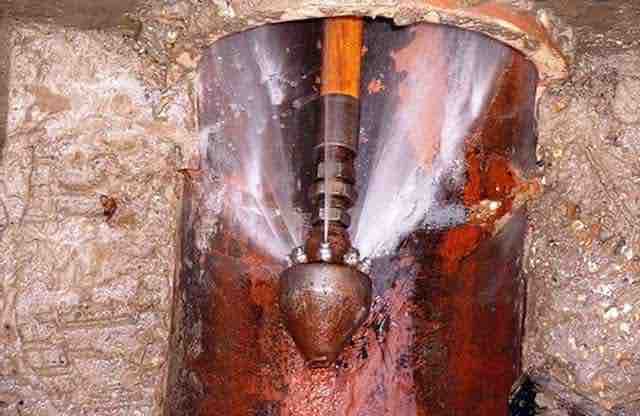
Routine French drain cleaning is one of the most effective ways to reduce the risk of blockage. Camera inspections also allow homeowners to monitor the condition of the drainage system before major problems develop.
Depending on the property’s condition, additional work may be recommended, including installing cleanout access points, replacing damaged drainage pipes, improving exterior grading, waterproofing foundation walls or upgrading the sump pump system.
Common Maintenance Solutions
- Routine French drain cleaning
- Drain camera inspections
- Groundwater or soil testing
- Installing drain cleanout ports
- Cleaning the sump pit
- Regular sump pump maintenance
- Replacing clogged or damaged French drains when necessary
- Improving exterior drainage around the foundation
The key is to act before water enters the basement. Preventive maintenance almost always costs less than repairing water damage, replacing flooring, removing mould or rebuilding a finished basement.
Remember ✔️
A clogged French drain rarely happens overnight. Regular maintenance allows homeowners to identify problems early and avoid expensive repairs later.
Iron Ochre and Seller Disclosure: Should It Be Declared?
If a homeowner is aware of the presence of iron ochre, it should be disclosed in the Seller’s Declaration. This information may influence a buyer’s decision, the conditions of the offer, the inspection process and, in some cases, the purchase price.
Disclosing iron ochre does not automatically make a property difficult to sell. In fact, transparency usually creates confidence. Buyers generally appreciate honesty, especially when the seller can provide maintenance records, invoices, camera inspection reports and proof that the drainage system has been properly maintained.
Problems tend to arise when iron ochre is discovered unexpectedly during the inspection process. Surprises often create uncertainty, which may lead to additional negotiations or even cause a buyer to withdraw from the transaction.
As a real estate broker, I’ve found that a well-documented property is almost always easier to sell than one with unanswered questions.
Transparency Builds Trust 🤝
If your property has iron ochre, don’t try to hide it. Explain the situation, provide documentation and demonstrate that the drainage system has been properly maintained. Buyers appreciate honesty far more than surprises.
Samuel Jacques’ Personal Opinion as a Residential Real Estate Broker
In my opinion, there’s one important point to understand: I am not an iron ochre specialist. However, throughout my career as a residential real estate broker, I’ve represented both buyers and sellers in transactions involving properties affected by iron ochre, including several luxury homes worth well over one million dollars.
One example that stands out involved properties I sold in the prestigious Le Blainvillier area of Blainville. Some of these homes had documented iron ochre, yet none had experienced significant drainage issues because the owners had maintained the French drains and sump systems on a regular basis. Buyers understood the situation, reviewed the documentation and proceeded with confidence.
I’ve also seen the opposite.
During one property evaluation, I discovered a home where the owners had never cleaned the French drains despite knowing iron ochre was present. Eventually, the drainage system became clogged, the basement flooded and substantial repairs were required. That experience reinforced something I now tell every client: maintenance makes all the difference.
Personally, I believe the first step is simply knowing whether iron ochre exists on the property. Once it’s identified, the focus should shift toward managing it properly.
If the French drains remain clean, the sump pump is inspected regularly and the drainage system continues to function as intended, many homeowners will never experience serious problems. On the other hand, neglecting maintenance can eventually become expensive.
I also think it’s important to remain realistic. Some companies advertise permanent solutions that claim to completely eliminate iron ochre. Personally, I’m not convinced that’s always possible. Since iron ochre is associated with naturally occurring bacteria, groundwater and iron-rich soil, it’s reasonable to assume that ongoing maintenance will remain necessary.
Finally, if you’re planning to sell your property in the future, remember that iron ochre should be disclosed. Future buyers will likely have the same questions you had. That doesn’t necessarily mean your home is worth less, but it may reduce the number of potential buyers. Some people simply won’t consider a property with iron ochre, regardless of the asking price, while others are perfectly comfortable with it once they understand the situation.
My Practical Advice 👇
Keep your French drains clean, inspect your sump pump regularly, save every maintenance invoice and document everything. In my experience, a well-maintained property with iron ochre can sell just as successfully as many homes without it. Proper maintenance and transparency are what truly make the difference.
Frequently Asked Questions About Iron Ochre
Can a house with iron ochre still be sold?
Absolutely. Many homes affected by iron ochre sell successfully every year. Proper disclosure, regular maintenance and supporting documentation usually have a much greater impact than the presence of iron ochre itself.
Does iron ochre always come back?
In many situations, yes. Because iron ochre is related to natural soil conditions, groundwater and iron bacteria, ongoing maintenance is generally more realistic than expecting it to disappear permanently.
How often should French drains be cleaned?
The answer depends on the severity of the iron ochre and the property’s drainage conditions. Some homes require annual maintenance, while others may go several years between cleanings. A drainage specialist can recommend an appropriate maintenance schedule.
Should iron ochre always be disclosed when selling a home?
If the seller is aware of its presence, disclosure is strongly recommended. Being transparent protects both parties and helps buyers make informed decisions during the purchasing process.
Does iron ochre automatically reduce a home’s value?
Not necessarily. Market value depends on many factors, including maintenance history, documentation, property condition, comparable sales and buyer confidence. A well-maintained home with documented iron ochre may experience very little impact on its value.
Can iron ochre cause basement flooding?
Yes. If the French drain becomes clogged and water can no longer drain properly away from the foundation, hydrostatic pressure may increase and eventually lead to water infiltration or basement flooding.
Is replacing the French drain always necessary?
No. In many cases, regular cleaning and preventive maintenance are enough to keep the drainage system working properly. Drain replacement is generally recommended only when the system has become severely blocked or damaged.